
Can F1 Drivers Smoke Cigarettes? Rules, Bans and Reality
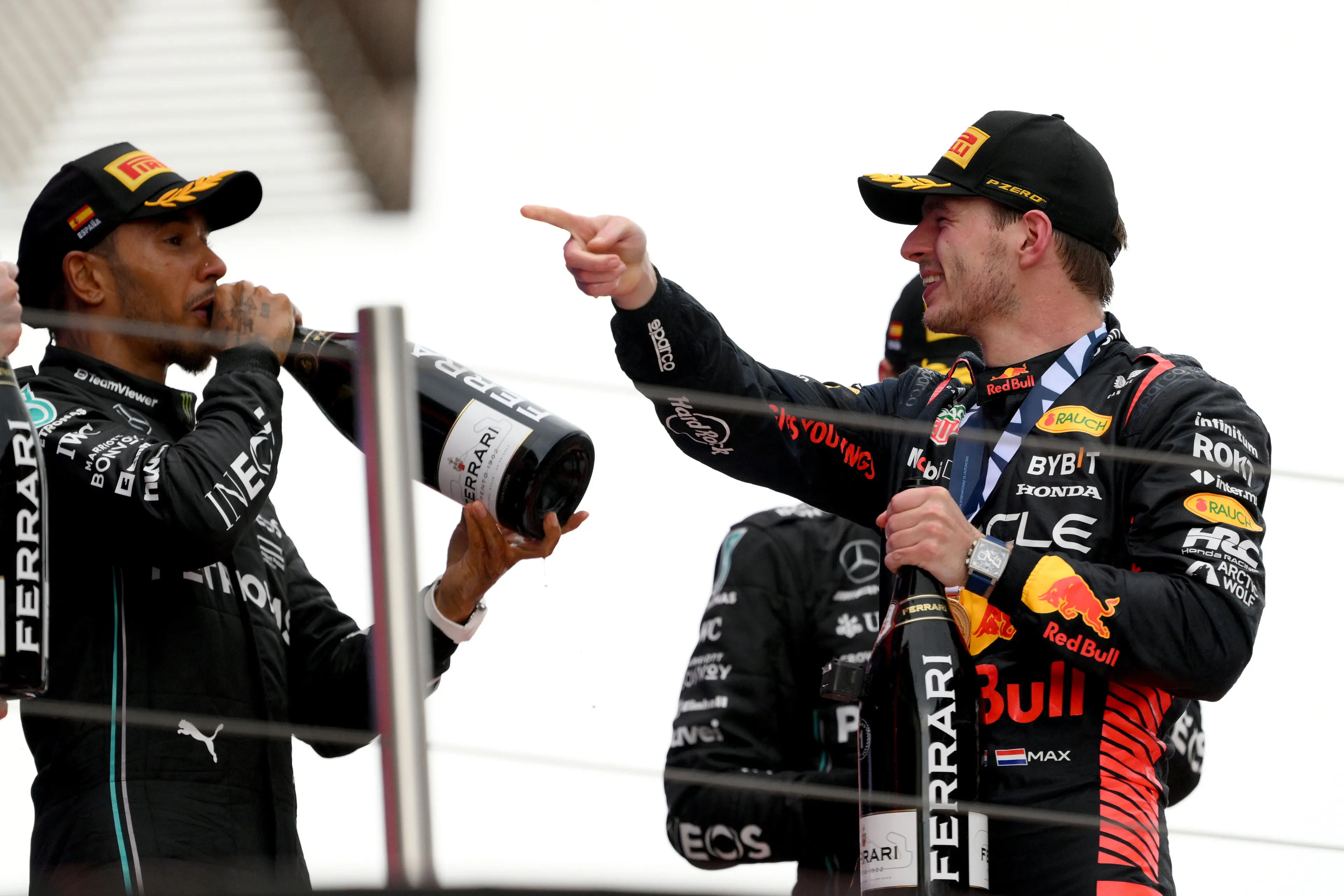
Can F1 drivers smoke? We unpack FIA rules, paddock bans, team policies, vaping limits, safety and legal risks, and why elite drivers rarely light up in F1.
Short answer
Technically yes—off-duty and away from the paddock. In practice? It’s tightly restricted at events, frowned upon by teams and sponsors, and wildly counter‑productive for elite performance. Here’s how the rules, the culture, and the reality intersect.
The rulebook: what’s actually banned (and what isn’t)
- FIA regulations: There’s no explicit FIA rule that bans a Formula 1 driver from smoking in their personal time. However, the International Sporting Code and event-specific regulations prohibit smoking in high-risk zones (garages, pit lane, grid, and most working areas) for obvious safety reasons.
- Fire and safety: Even without in-race refuelling since 2010, there’s plenty of fuel handling in garages, plus flammable solvents and high-voltage hybrid systems (ERS). “No smoking” areas are strictly enforced. Breaking those rules can mean fines or worse.
- Anti-doping: Nicotine is not prohibited by WADA or the FIA Anti-Doping Code. Drivers won’t fail a doping test for nicotine, though they may be tested for alcohol (which has a zero-tolerance stance around competition).
- Circuit and local laws: Most hosts have workplace and public-space smoke-free laws. Those typically cover garages, hospitality, paddock buildings, and many outdoor areas at the circuit. Stewards can enforce local rules during a Grand Prix weekend.
- Team contracts: Teams almost universally ban staff—including drivers—from smoking while in team kit, in public-facing team areas, or during media duties. Expect internal codes of conduct and image clauses that extend well beyond the track.
What about vaping and “smoke-free” nicotine?
- Vaping is usually treated like smoking at events: if an area is non-smoking, it’s typically non-vaping too.
- Nicotine products aren’t banned substances—but the branding can be. Advertising rules vary by country and are often more restrictive than for traditional consumer brands.
The sponsorship story: from Marlboro to “Mission Winnow”
- The tobacco era: For decades, tobacco money was everywhere—Marlboro (Ferrari, McLaren), West (McLaren), Lucky Strike (BAR), Mild Seven (Benetton/Renault), Rothmans (Williams), Benson & Hedges (Jordan), and more. Drivers sometimes even fronted campaigns.
- The clampdown: From the mid‑2000s, a wave of national and regional laws (notably in the EU) effectively ended conventional tobacco advertising in F1. Teams phased out logos race-by-race, then entirely.
- The modern gray zone: In the late 2010s and early 2020s, “brand transformation” and next-gen nicotine brands popped up:
- Philip Morris International appeared with “Mission Winnow” on Ferrari in select seasons and races, then wound it down.
- British American Tobacco partnered with McLaren, promoting vaping and nicotine pouch brands like Vuse and VELO where legal. That partnership ended after 2023.
- Bottom line: Direct tobacco branding is largely gone, and race-by-race legality drives what can be displayed. Drivers can’t realistically appear in tobacco advertising around F1 events without running into legal and contractual brick walls.
So… do any F1 drivers actually smoke?
Today’s paddock culture is ultra-professional. Drivers train like Olympic endurance athletes with VO2 max levels you’d expect from cyclists and triathletes. Cigarettes don’t help with:
- Cardiovascular efficiency
- Lung capacity and oxygen uptake
- Recovery and general fitness
Public displays are a no-go. Even if a driver smokes privately off-duty, you won’t see it in team kit, at the track, or around media. In older eras, drivers sometimes smoked openly; modern F1 has moved far beyond that image.
Reality check: You may occasionally see paparazzi photos of a driver with a cigarette away from a race weekend. It’s the exception, not the norm—and very much off the clock.
Practical FAQs
- Can a driver smoke in the paddock? Generally no. Most working areas are non-smoking by rule and by law. Teams also forbid it in kit or on duty.
- Can a driver be punished for smoking? Yes—if it’s in a prohibited area or breaches local law or team policy. Expect fines, warnings, or internal discipline.
- Is nicotine a performance-enhancing drug in F1? No. It’s not banned, and performance-minded drivers avoid cigarettes because of clear negative effects on endurance and reaction sustainability.
- Can drivers do tobacco ads? In practice, almost never. Legal restrictions, FIA and event rules, and team/sponsor contracts essentially rule it out at F1 events and in many markets.
- What about fans at the circuit? Most venues have designated smoking areas. Outside them, you risk ejection or fines. Vaping rules usually mirror smoking rules.
Why the optics matter
- Sponsors: Global brands are image-sensitive and compliance-heavy. A driver smoking in public while in team gear is a sponsor relations nightmare.
- Health and performance: Modern F1 is a fitness arms race. Marginal gains matter, and cigarettes are the opposite of a marginal gain.
The verdict
- Can they? Technically, away from the track and off the clock, yes.
- Can they at a Grand Prix? Functionally, no—because of safety rules, local laws, and team policies.
- Do they? In the current era, rarely—and almost never where you’ll see it.
In other words, F1 drivers could smoke; elite F1 drivers generally don’t. The sport’s rules, sponsors, and science all push in the same direction: keep the racing hot and the cigarettes out of sight—and preferably out of the picture altogether.