
Paparazzi Laws and Restrictions in Monaco
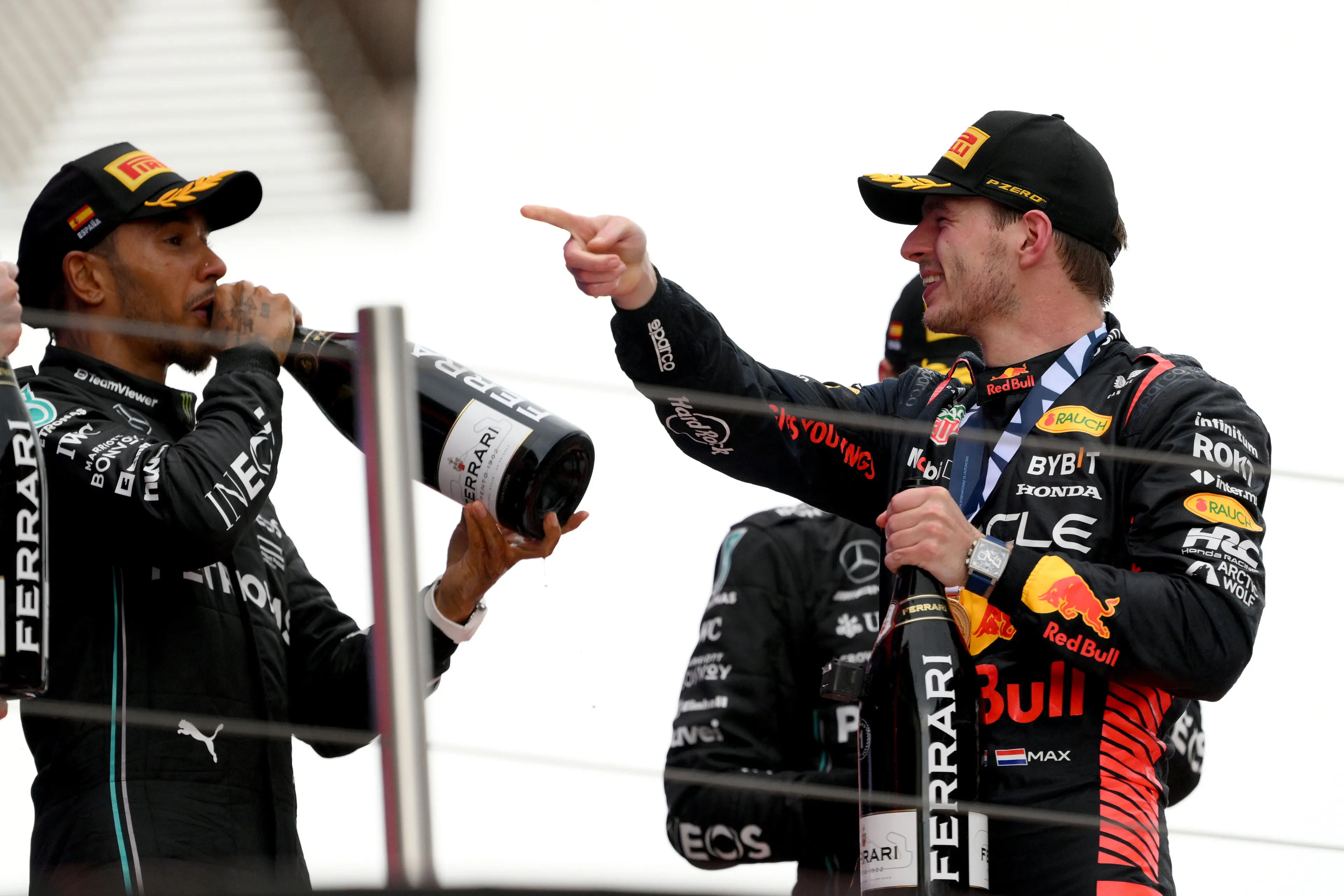
Are paparazzi illegal in Monaco? F1 guide to privacy rules at the Monaco GP: what you can shoot, what's banned, and how fans and media stay safe and legal.
Monaco has strict laws and restrictions in place to safeguard the privacy of its residents and visitors, particularly to protect its reputation as a haven for wealthy individuals and celebrities. These regulations significantly limit the activities of paparazzi in the principality.
The privacy laws in Monaco prohibit unauthorized photography in public and private spaces, especially when intended for professional or commercial use. This includes a "zero-tolerance policy" towards paparazzi, offering celebrities and high-profile individuals a level of protection against invasive media practices. Additionally, specific locations such as casinos and hotels have reinforced privacy protections, banning unauthorized photography or filming in these venues.
Furthermore, any professional filming or photography in Monaco, including journalistic pursuits, requires official permission. This regulation highlights the principality’s commitment to preserving discretion and maintaining its image as a secure destination.
These laws not only protect the residents and guests but are also strictly enforced, as seen in incidents where royals have successfully challenged paparazzi breaches in courts, emphasizing the importance of privacy in Monaco.
Paparazzi Laws and Restrictions in Monaco: What F1 Fans and Photographers Need to Know
Short answer first
Being a paparazzo is not illegal in Monaco. But many classic paparazzi tactics are. Monaco’s privacy protections are among the strictest in Europe, and the way you shoot, where you shoot, and what you do with the images can quickly cross legal lines. During Monaco Grand Prix week—when stars, drivers, and royalty pack into a two-square-kilometer postcard—those rules are enforced visibly and consistently.
Why Monaco takes privacy so seriously
- The Principality is home to high-profile residents and hosts Europe’s most photographed street race. Maintaining order and privacy is part of its brand.
- European privacy culture is strong; Monaco’s courts recognize a robust right to private life and to one’s image.
- The Royal Family’s history with intrusive photography (think Princess Caroline’s landmark privacy battles, though in foreign courts) helped shape a low tolerance for harassment-style photography.
The core legal principles (in plain English)
- Private life is protected: Photographing or recording someone in a private place without consent is generally unlawful. “Private place” includes homes, hotel rooms, private balconies/terraces, yachts’ interiors, hospitality suites, and non-public paddock areas.
- Right to one’s image: Publishing or commercially exploiting a recognizable image of a person—especially for advertising—typically requires consent. Editorial/news use has more latitude if there’s a genuine public-interest context, but not for purely private moments.
- Harassment and stalking are prohibited: Following, obstructing, hounding, or using aggressive tactics to obtain images can lead to criminal charges.
- Trespass is a no-go: Entering private property (or leaning over walls, using ladders, etc.) to get a shot can escalate to criminal issues and civil damages.
- Long-lens “peeking” is risky: Shooting into apartments, hotel rooms, yachts, or other private spaces with telephoto lenses can be treated as an invasion of privacy—even if you’re standing on a public street or boat.
- Drones are tightly restricted: Drone flights generally require prior authorization in Monaco. During the Grand Prix, temporary airspace restrictions make consumer drone use essentially off-limits.
- Publication matters: Even if a photo is lawfully taken, how you publish or sell it can create liability. Commercial use without consent is especially risky.
Public vs. private: What’s typically allowed
- Public spaces: Street and crowd scenes, pit-lane walkabouts open to ticket holders, and grandstand views are generally fine for personal, non-commercial use. Drivers arriving at public events or walking in public areas can be photographed, provided you don’t harass or obstruct them.
- Private spaces: Anything inside residences, hotel areas not open to the public, private lounges/terraces, behind-the-scenes paddock or team areas, and yacht interiors are off-limits without permission.
- Children: Extra caution applies. Publishing identifiable images of minors without consent can attract swift legal action.
Monaco Grand Prix specifics
- Accreditation rules: Professional newsgathering and commercial photography inside the F1 perimeter require official accreditation (FIA/Formula 1 Management and Automobile Club de Monaco). Without it, you’re a spectator—your images are for personal, non-commercial use.
- Ticket terms: Event tickets usually restrict the commercial use of photos and videos, and stewards can act if you obstruct views, behave unsafely, or ignore instructions.
- Hospitality and balconies: If you’re on a private balcony or hospitality suite, the host’s rules apply. Shooting into other private spaces—opposite apartments, yacht decks, VIP areas—is a fast track to trouble.
- Drones and remote cameras: Expect a hard no. Airspace is controlled, and unauthorized devices can be confiscated, with fines or worse.
- Water shots: Photographing from a tender or yacht in public waters doesn’t make privacy laws vanish. A long lens aimed into cabins or private decks can still be an invasion.
Enforcement and consequences
- Police presence is significant over race week. Officers can stop and question you, direct you to move on, and, where warranted, seize equipment as evidence.
- Violations can result in fines, civil damages, and, in serious cases, criminal penalties.
- Media outlets and advertisers are cautious: Many won’t touch Monaco-sourced “private-life” paparazzi material without ironclad consent.
For fans and hobbyists: Do’s and don’ts
Do:
- Photograph the cars, atmosphere, street scenes, and public celebrations.
- Ask before taking close-up portraits, especially of children or VIPs not “on duty.”
- Keep gear compact in crowded areas and follow steward instructions.
- Check event terms, especially if you plan to post or sell images.
Don’t:
- Use drones or mount cameras in restricted or private areas.
- Aim lenses into windows, balconies, hospitality suites, or yacht interiors.
- Block pathways, chase celebrities, or create hazards to get a shot.
- Sell or license your images commercially without understanding the legal and accreditation implications.
Are paparazzi illegal in Monaco?
- No—the profession itself isn’t illegal.
- But many methods associated with paparazzi work (harassment, intrusion into private life, unauthorized commercial exploitation of images, trespass, and drone use) are restricted or prohibited.
- Practically, Monaco’s mix of strict privacy law, event accreditation rules, and active policing makes aggressive paparazzi-style operations risky and often unviable.
Practical scenarios
- Can I snap a driver leaving the paddock? If it’s a public area and you’re not obstructing or harassing, generally yes for personal use. For commercial use, you’ll need rights clearance and, if inside the event footprint, proper accreditation.
- What about celebrities at a café? Street candid from a respectful distance is usually fine; intrusive behavior or publishing for commercial gain is problematic. Private terraces are off-limits without consent.
- Can I sell my GP photos as prints? If shot as a spectator, event terms likely bar commercial exploitation. Separate from contract terms, using a person’s image commercially without consent can trigger legal issues.
- I’m on a balcony I rented. Can I shoot across into other residences or yachts? No—that’s a prime example of invading private life.
Bottom line
Monaco welcomes cameras pointed at its race cars and scenic streets—but not at private lives. If you’re a fan, enjoy the spectacle and keep your shots public, respectful, and personal-use. If you’re working media, get accredited and follow the rules. And if you’re thinking about paparazzi tactics, expect little patience and real legal exposure.
Note: This article is for general information and entertainment. Laws and event terms can change. For specific situations, consult the Automobile Club de Monaco, Formula 1’s media guidelines, and local legal counsel.