
Who Owns the Grid? Inside F1’s Billionaire Power Brokers
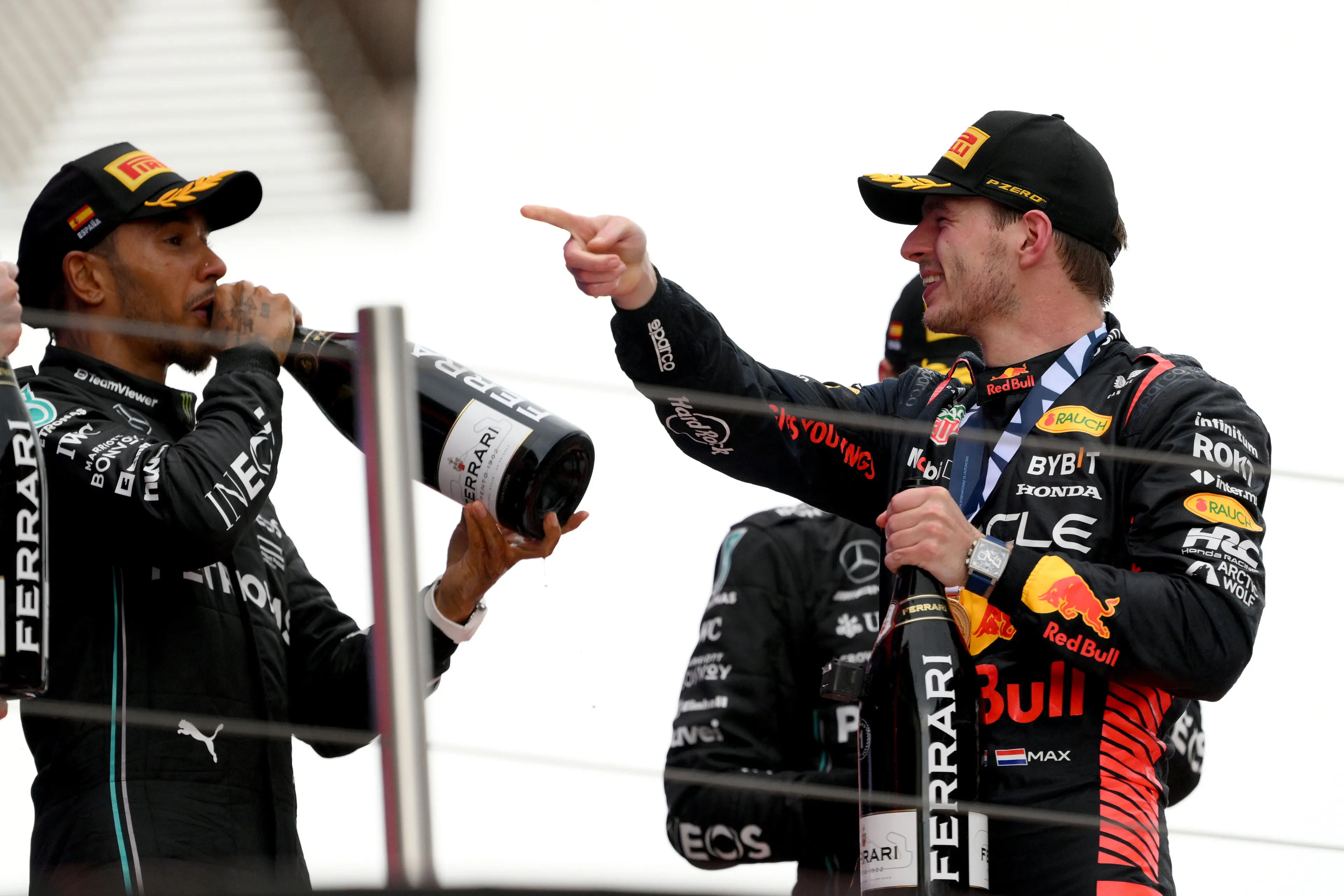
The Money Men of F1: Liberty, Stroll, Ellison, Slim — The Billionaires Steering Formula 1
If Formula 1 is the fastest traveling circus on earth, the ringmasters sit in suites, not garages. Behind every tent pole team and blockbuster race is a small circle of billionaires and billionaire families who write the cheques, shape the calendar, and influence the rules of engagement. Their fingerprints are everywhere: in team ownership, title sponsorships, media rights, city-stopping Grand Prix deals, and the sport’s transformation into a premium global franchise.
Here’s your paddock pass to the power behind the power units.
The Big Boss: Liberty Media and John Malone’s Empire
- Who: Liberty Media’s Formula One Group (controlled by media magnate John Malone; CEO Greg Maffei; F1 CEO Stefano Domenicali runs day-to-day).
- What they own: The commercial rights to Formula 1. Liberty controls the media deals, race promotion contracts (and in Las Vegas, the race itself), team revenue distribution, branding, and the sport’s overall strategy.
- Why it matters: Liberty bought F1 in 2017 for roughly $4.4 billion. Since then, it has turned the championship into a modern entertainment product—Drive to Survive, new U.S. races, a sell-out calendar, social-first storytelling—and substantially increased F1’s valuation and global reach.
- Their power levers:
- Calendar expansion and race economics (double-headers in the U.S., Middle East mega-deals, the Liberty-promoted Las Vegas GP).
- Cost cap enforcement via governance structures with teams and the FIA.
- Concorde Agreements that set the revenue split and governance votes.
- Broadcasting and digital strategy that determine who watches and how much everyone gets paid.
Red Bull’s Two Billionaire Families: Mateschitz and Yoovidhya
- Who: The late Dietrich Mateschitz’s heir, Mark Mateschitz, and the Thai Yoovidhya family (co-founders of Red Bull). Together they own Red Bull GmbH, which owns Oracle Red Bull Racing and RB (Visa Cash App RB).
- What they own: Two F1 teams, one juggernaut. Red Bull’s F1 arm is the sport’s modern dynasty, with championship-winning operations and a self-sufficient power unit program revving up with Ford from 2026.
- Why it matters: Dual-team ownership gives Red Bull unmatched depth—driver academy, shared resources (within regulations), and sponsor gravity. The brand’s swagger is underwritten by billionaire balance sheets.
The Title-Sponsor Tycoon: Larry Ellison (Oracle)
- Who: Oracle founder Larry Ellison.
- What: A multi-year, mega-value title sponsorship of Red Bull Racing. Oracle supplies both cash and technology (data analytics, cloud infrastructure), with branding so prominent the car is named the Oracle Red Bull.
- Why it matters: In the cost-cap era, top-line sponsorships are as decisive as airflow over a front wing. Ellison’s backing epitomizes tech money turning into on-track performance.
The Team Owner’s Owner: Lawrence Stroll at Aston Martin
- Who: Canadian billionaire Lawrence Stroll.
- What he owns: The Aston Martin F1 Team (formerly Racing Point) and a major stake in Aston Martin Lagonda (the road car company), held via the Yew Tree consortium. His son, Lance Stroll, drives for the team.
- Why it matters: Stroll turned a distressed Force India into a factory-grade contender with a state-of-the-art “AMR Technology Campus” at Silverstone and heavyweight sponsors like Aramco. He’s building a vertically integrated racing and automotive brand—luxury lifestyle meets lap time.
Mercedes, By Committee: Jim Ratcliffe, Toto Wolff and Mercedes-Benz
- Who:
- Sir Jim Ratcliffe (INEOS), British industrialist and sports investor.
- Toto Wolff, Mercedes team principal and stakeholding CEO, now a Forbes-listed billionaire.
- Mercedes-Benz Group (automaker).
- What they own: A three-way 33.3%/33.3%/33.3% partnership in the Mercedes-AMG Petronas F1 Team.
- Why it matters: This is Formula 1’s most efficient corporate triangle—manufacturer clout, billionaire sponsorship, and operator-owner leadership. Their structure stabilizes budgets, sustains innovation, and keeps the winning machine well-oiled.
Ferrari’s Old Money: John Elkann and the Agnelli Family
- Who: John Elkann chairs Ferrari; the Agnelli family’s holding company, Exor, is Ferrari’s largest shareholder.
- What they own: Ferrari, the sport’s most storied team and a public company with special voting rights concentrated via long-term shareholding.
- Why it matters: Ferrari has unique heritage influence and a governance veto mechanism in defined areas. When Ferrari speaks, the paddock listens. When Ferrari wins, the sport booms. The Agnelli dynasty provides patient capital and boardroom gravitas backed by Italy’s most global brand.
The Quiet Guardian: Finn Rausing at Sauber (toward Audi)
- Who: Finn Rausing, of the Tetra Laval packaging family.
- What he owns: A controlling stake in Sauber Group’s parent until Audi’s phased takeover ahead of 2026. Sauber runs the team currently known as Stake F1 Team Kick Sauber.
- Why it matters: Rausing’s money kept the Swiss team alive through lean years, bridging to Audi’s factory era. It’s a reminder that behind many “midfield miracles” stands a deep-pocketed patron.
America’s Constructor Tycoon: Gene Haas
- Who: Gene Haas, machine-tool billionaire and NASCAR co-owner.
- What he owns: The Haas F1 Team.
- Why it matters: Haas brought an American team back to F1 in 2016 with a lean outsourcing model. Budget caps should help, but the competitive climb is steep. A billionaire’s patience—and appetite for investment—often determines whether a small team survives the sport’s boom-and-bust cycles.
Carlos Slim’s Long Game: The Sponsor Kingmaker
- Who: Carlos Slim, telecoms titan (América Móvil brands: Telcel, Telmex, Claro).
- What he funds: Decades of backing for Mexican drivers and teams; currently a major personal sponsor of Sergio Pérez at Red Bull.
- Why it matters: Slim doesn’t need to own a team to shape the grid. Funding talent pathways and commercial packages ensures national heroes, national audiences, and national races. The Mexican GP’s revival is no coincidence.
The Miami Mogul: Stephen Ross
- Who: Stephen M. Ross, real estate billionaire and Miami Dolphins owner.
- What he owns: Hard Rock Stadium and the Miami GP promotion.
- Why it matters: Ross popularized the “stadium-as-street-circuit” model. Big-market American races are now F1’s calling card, and billionaire promoters are the gatekeepers.
Bernie Ecclestone: The Original Power Broker
- Who: Bernie Ecclestone, former F1 supremo and billionaire.
- What he did: Built the modern commercial structure—centralized TV rights, Concorde Agreements, and the “show” mindset—before selling to Liberty.
- Why it matters: Today’s billionaires inherited the chassis Bernie designed. His architecture still shapes how money moves and who decides.
Who Actually Owns Each Team Right Now?
- Red Bull Racing and RB: Owned by Red Bull GmbH (Mateschitz and Yoovidhya families). Oracle is the title sponsor.
- Mercedes-AMG Petronas: Split three ways among Mercedes-Benz Group, INEOS (Jim Ratcliffe), and Toto Wolff.
- Ferrari: Publicly traded; controlled influence via Exor (Agnelli family), chaired by John Elkann.
- Aston Martin: Controlled by Lawrence Stroll’s consortium; major sponsorship from Aramco; Stroll also invested in the road car brand.
- McLaren: Majority owned by Bahrain’s Mumtalakat (sovereign wealth fund), with MSP Sports Capital and others as minority investors.
- Alpine: Renault Group majority, with a 24% stake sold to an investor consortium led by RedBird Capital and Otro Capital, plus celebrity partners.
- Williams: Owned by Dorilton Capital, a private investment firm.
- Haas: Owned by Gene Haas.
- Sauber (Stake F1 Team Kick Sauber): Owned by Islero Investments (Rausing); transitioning to Audi factory entry in 2026.
- Note: Team entries are franchises under the Concorde Agreement; new entrants must pay a hefty anti-dilution fee to join the closed shop.
How Billionaires Actually Shape the Sporting Product
- Calendar and city deals: The biggest fees come from oil-rich states and mega-metropolises. Billionaire promoters (Miami) and state actors (Middle East) bid up the price of a slot on the calendar. Liberty judges who makes the cut.
- Sponsorship gravity: Tech and luxury billionaires (Oracle, Aramco via state sponsorships, Ineos) turn brand synergies into performance budgets, pushing the quality bar higher for rivals.
- Governance pressure: Heavyweights influence rules and cost cap enforcement through F1 Commission votes and back-channel politics. Ferrari’s heritage clout and Mercedes/Red Bull competitive stakes are constant forces.
- Talent pipelines: Billionaires fund driver programs—think Slim’s support for Pérez, Stroll for Lance—which can decide which helmets make it to Q3.
- Infrastructure arms race: From Aston Martin’s new HQ to Mercedes’ simulation empire, billionaire-backed facilities are a competitive edge in the cost-cap era where capital expenditure still has carve-outs and nuances.
- Valuations and the “franchise era”: Closed-league scarcity has arrived. Team valuations have surged into the hundreds of millions to low billions. That makes existing owners less willing to dilute and more focused on long-term brand building.
The FIA, The Fine Print, and the Politics of Power
- The FIA (motorsport’s regulator) and F1 (Liberty’s commercial arm) share power. The FIA writes the technical and sporting rules and validates entries; F1 negotiates money and media.
- Tension points:
- New entries and anti-dilution fees (Andretti’s bid saga).
- Power unit regulations and sustainability roadmaps.
- Financial Regulations (cost cap policing, penalties).
- Translation: Even the richest owners must steer within governance guardrails—but they’ll lobby hard to move the cones.
What’s Next: The Watch List
- Audi x Sauber: How quickly a manufacturer with Volkswagen Group backing can convert spend into speed.
- Aston Martin: Can Stroll’s multibillion campus and factory momentum translate into title contention?
- Mercedes ownership mix: INEOS, Wolff, and Mercedes-Benz give stability; performance dip or recovery will set the tone for future investment.
- Red Bull post-dynasty questions: With internal power balances and the 2026 rules reset looming, can the double-team juggernaut retain its edge?
- Celebrity capital vs. billionaire capital: Alpine’s star-powered investor group is great marketing; the competitive impact will depend on how much hard funding and technical capability follows.
- Potential new billionaire entrants: Persistent rumors pop up (and often fizzle). With valuations soaring, look for established industrialists or tech tycoons—plus state-backed promoters—rather than speculative newcomers.
Key Billionaires in Formula 1 (Cheat Sheet)
- John Malone (Liberty Media) – Controls F1’s commercial rights via Formula One Group.
- Mark Mateschitz and the Yoovidhya family (Red Bull) – Own Red Bull Racing and RB.
- Larry Ellison (Oracle) – Title sponsor and technology partner of Red Bull; major commercial force.
- Lawrence Stroll (Aston Martin) – Team owner and automotive investor transforming Silverstone into a super-campus.
- Sir Jim Ratcliffe (INEOS) – Co-owner of Mercedes; injects industrial heft and sponsorship scale.
- Toto Wolff (Mercedes) – Team boss and co-owner; operational power with billionaire-level wealth.
- John Elkann / Agnelli family (Exor, Ferrari) – Heritage-backed influence at the sport’s most iconic team.
- Gene Haas (Haas F1 Team) – American constructor owner with deep motorsport roots.
- Finn Rausing (Sauber) – The low-profile billionaire who kept Sauber viable ahead of Audi.
- Carlos Slim (América Móvil) – The sponsor kingmaker behind Pérez and the Mexican motorsport boom.
- Stephen M. Ross (Miami GP) – Billionaire race promoter expanding F1’s footprint in the U.S.
- Bernie Ecclestone – The retired architect of F1’s commercial era; a legacy billionaire whose blueprint endures.
The Bottom Line
The grid is powered by V6 hybrid engines—and billionaire horsepower. Some own teams outright. Others sponsor, promote, or influence from the boardrooms of tech giants and luxury empires. Liberty sets the stage; the teams and their backers play the game. In F1’s franchise era, access is scarce, valuations are ballooning, and influence often comes dressed in a bespoke suit. If you want to know where the sport is going next, follow the money.