
How ‘Driver of the Day’ Supercharges F1 Fan Engagement
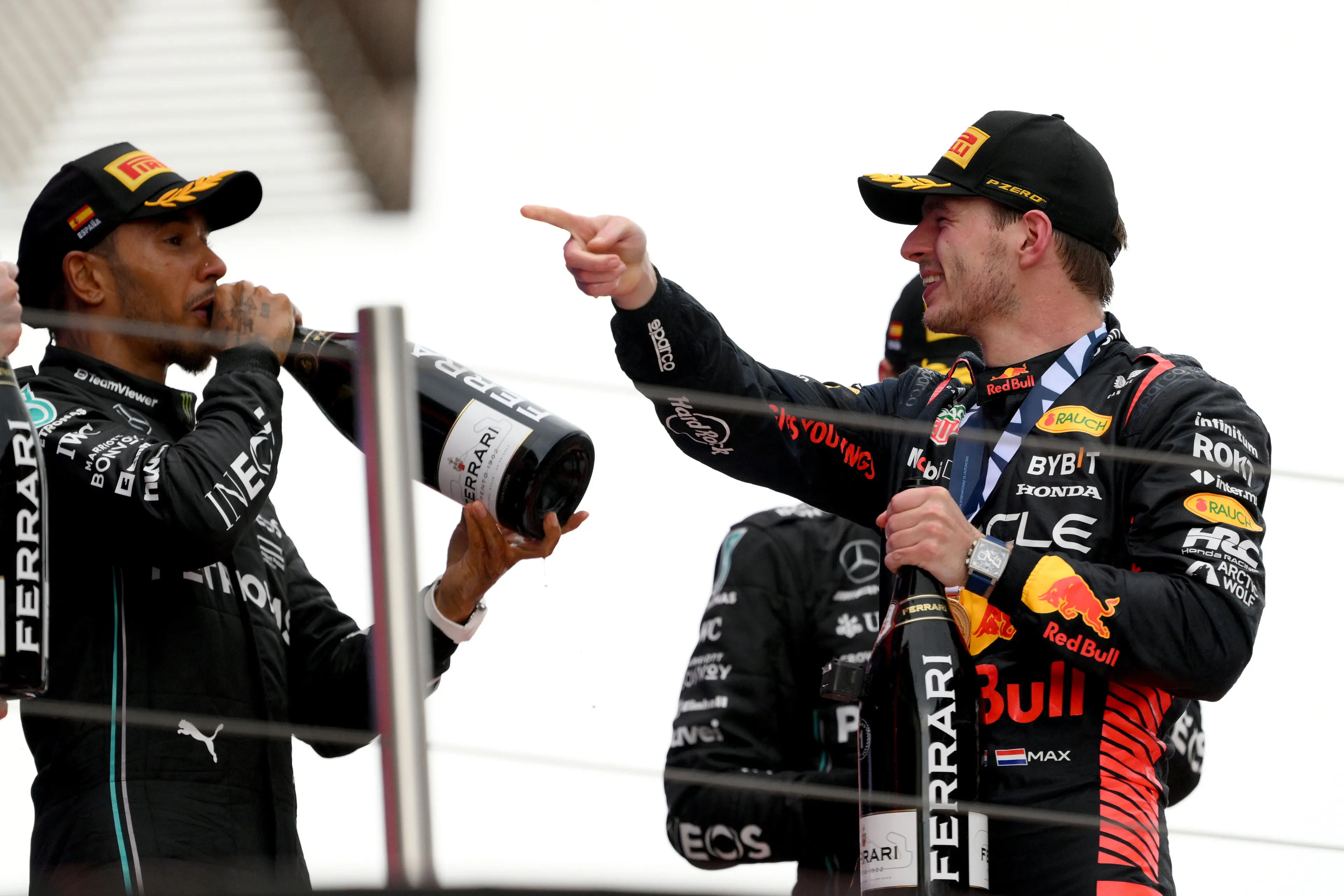
The role of the Driver of the Day: how Formula 1 engages viewers through fan interaction
If Formula 1 is the world’s fastest chess match, Driver of the Day is the moment fans get to move a piece. It’s simple, it’s social, and it has quietly become one of the sport’s sharpest engagement tools—turning passive viewers into participants and adding a dash of democratic drama to every Grand Prix.
What exactly is Driver of the Day?
- It’s a fan-voted award introduced in 2016.
- Voting opens during the race via F1’s official platforms (website/app) and closes near the chequered flag.
- The winner is announced at the end, often with a short radio message that becomes part of the broadcast’s emotional send-off.
- It has no impact on championship points. It’s purely honorary—but it matters to fans, and increasingly to drivers, teams, and sponsors.
The beauty here is in the design: a lightweight, real-time vote that actually rewards watching live. It’s second-screen sport done right.
Why it works: the psychology of a good click
- Agency without consequence: Fans get to influence the narrative without altering the sporting result. It scratches the “I was part of it” itch.
- Micro-stories within a macro-event: Not every viewer is tracking tyre deltas or undercuts. Driver of the Day focuses attention on the human story—who hustled, who defended like a lion, who clawed back from disaster.
- Instant community: Social timelines ignite with arguments, memes, and voter mobilization. It’s the friendliest kind of debate fuel.
- A perfect reward loop: Drama on track prompts the vote; the vote prompts a broadcast reveal; the reveal prompts social and highlights packages; fans return next race to do it again.
The mechanics in the broadcast
- Mid-race “Voting is open” callouts create a natural second-screen cue.
- Graphics packages and commentary frame likely candidates—helpful for casual viewers catching up on what they’ve missed.
- The post-race radio clip is a masterstroke. It’s raw, unscripted emotion that feels like a thank-you note from the car itself.
What tends to win votes
It’s not always the race winner. The DOTD archetypes are all about narrative:
- The comeback: Pits on lap 1, finishes in the points. Think last-to-first epics or storming recovery drives.
- The street-fighter: Double-digit overtakes, elbows out, smart risk.
- The wall: A defensive masterclass that keeps a faster car behind for lap after lap.
- The underdog: Smaller teams punching above their weight, debut heroics, or a first-point fairytale.
- The weather whisperer: Drivers who dance in the rain (hello, Brazil 2016) often capture hearts and votes.
A few fan-favourite moments
- 2016 Australia: Romain Grosjean delivered P6 on Haas’s F1 debut. Fans loved the underdog triumph and he won Driver of the Day.
- 2016 Brazil: In wild wet conditions, Max Verstappen’s car control and audacious passes were the stuff of legend—exactly the kind of theatre DOTD celebrates.
- 2020 Sakhir: Sergio Pérez’s last-to-first storyline practically wrote itself. Fans rewarded the fightback.
None of these moments needed a trophy to matter—but the fan vote crystallized the emotion and broadcast it back to the world.
The engagement flywheel
- Second-screen habit: Driver of the Day is a gateway to deeper app use—timing data, onboards, team radio. Once fans are in, they stay.
- Social virality: The call to vote and the winner reveal generate organic clips, graphics, and remixes—perfect for platforms.
- Identity and belonging: Fans rally around their chosen driver and team, forging micro-communities that endure beyond the chequered flag.
- Sponsor-friendly without feeling forced: It’s an activation that lives inside the story rather than interrupting it.
How teams and drivers play it
Teams don’t coach for Driver of the Day—but they do recognize its power:
- Storytelling: Post-race content highlights the “why” behind a vote—onboards, radio, and data snippets that show the graft.
- Fan mobilization: Timely social nudges can swing a tight vote, especially during late-race heroics.
- Reputation building: For rookies and midfielders, a DOTD nod is a signal boost that can define early-career narratives.
- Community care: Thank-you posts and meet-the-fan initiatives build a feedback loop. Voters feel seen.
The valid critiques (and why they don’t spoil the fun)
- Popularity bias: Larger fanbases can tip close calls. That’s inherent in any open vote—but the best performances often cut through anyway.
- National waves: Home races can supercharge votes for local heroes. It’s part of the atmosphere, like grandstands turning into choirs.
- Recency weight: Late charges are fresh in the mind. The sprint to the line tends to overshadow early brilliance.
- “Wrong winner” angst: When a dominant victor is pipped by a hard-charging P5 finisher, purists grumble. But that’s the point: DOTD isn’t the same as “Driver of the Race.” It’s the fans’ interpretation of what mattered emotionally.
Reasonable ways F1 could keep it fresh
- Shortlists: Curated candidates to help casual fans and reduce scatter.
- Segment awards: Overtaker of the Day, Defender of the Day—quick hits that spotlight different skills.
- Invisible voting totals until the end: Prevents pile-ons and preserves suspense.
- Smart recaps: Post-race explainer clips that show why the winner earned it, with data to match the vibes.
What it says about modern F1
Driver of the Day is a case study in how elite sport adapts to the attention economy:
- The show within the sport: It adds a mini-climax alongside the podium.
- Broadcast as platform: The TV show is no longer the final product—it seeds social content for days.
- Fans as co-authors: Formula 1 invites its audience to help tell the story, one race at a time.
A quick guide for new fans
- How to vote: Open the F1 app or website during the race when the broadcast says voting is live.
- When to vote: Mid-race to near the chequered flag. If a late charge swings your opinion, you can adjust before it closes.
- What to consider: Raw pace, racecraft, tyre and strategy management, defending, comeback drives, teamwork—whatever impressed you most.
- Does it affect the championship? No. It’s honorary—but watch how often drivers mention it. Validation from the people watching means something.
Beyond the chequered flag
Driver of the Day has become the unofficial fan ovation. In a sport where milliseconds matter and strategy can be invisible, it spotlights the human performance element that draws people in. It creates heroes out of hustlers, turns midfield miracles into headline moments, and gives every viewer—newcomer or lifer—a reason to care beyond the points table.
And that might be its greatest contribution. Between the tyre deg and the DRS trains, the spreadsheets and simulations, Driver of the Day puts soul on the timing tower. It’s proof that the fastest show on Earth isn’t just about who finishes first—it’s about who moves you along the way.